

In last weeks blog post we talked about composition rules and that they are not hard and fast rules but that they are, to quote Captain Barbossa of Pirates of the Caribbean, “more like guidelines“. And we asked the question if there might be, after all, some rules to which there are no exceptions. Well, I’m certainly not in a position to answer that question once and for all. But I can tell you about 7 things which I simply don’t like in a picture and which I therefore try to avoid at all costs.
1. Never cut below the knee
You have no idea what this means? That’s probably because I simply translated it from the German saying “Schneide nie unterm Knie”. Note that “Knie” rhymes with “nie”. Ok, maybe that doesn’t help you much either. Let’s have a look at a picture and it will become clear:

Now look at this! It’s just horrible. The poor guy is not complete. He’s missing his feet, obviously.

Much better, of course. But interestingly the next picture also works nicely:

When you cut above the knee all is well. You don’t have the feeling that something is missing. Compare this to those Greek torsos. Inevitably the arms are cut off above the elbow and the legs are cut off above the knees.
Your mileage may vary, but I never cut below the knee.
2. Round or oval objects should not touch the edge of the image
Not much to say here. Let the pictures speak for themselves.
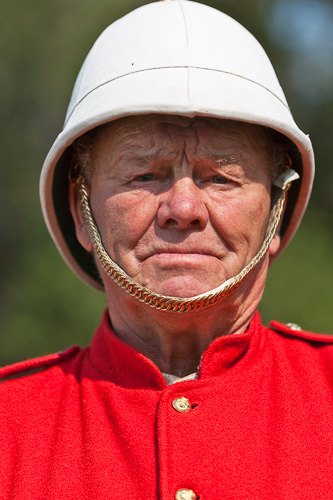
Looks weird, doesn’t it?
The next two options are much better.
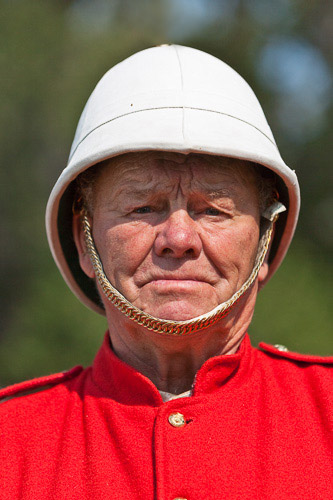
This is the conventional solution. May be it’s not very exiting, but better than the first picture.
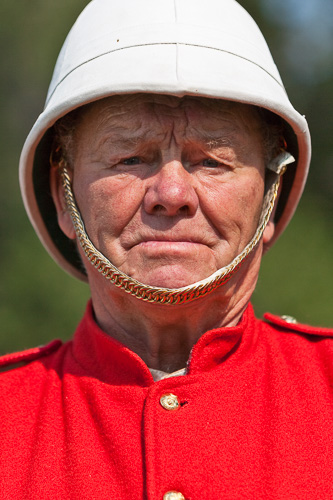
That’s my favourite solution.
By the way, this rule is one of three to which the great Andreas Feininger (you should remember him from last weeks post) has never found an exception. And that would make it a hard and fast rule.
Your mileage may vary, but I never break this rule.
3 Diagonal or oblique lines should not end in a corner of the image but at one of the edges
This is another of Feininger’s rules to which he has never found an exception. However, there are many photographers who disagree. They take great care to let diagonal lines end exactly in the corner of the picture. But decide for yourself.


Your mileage may vary, but I never break this rule.
4 Out-of-focus eyes
Whenever your subject has eyes, no matter whether it’s a person or a stuffed animal, they should be in focus and tack sharp.
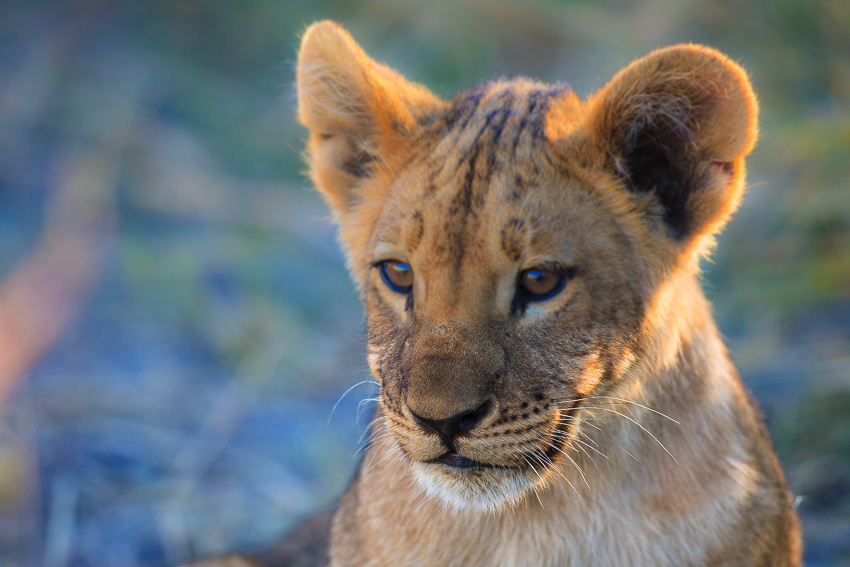
I faked this one. There is simply no picture of a person or an animal with out-of-focus eyes in our archive. We dumped them all.
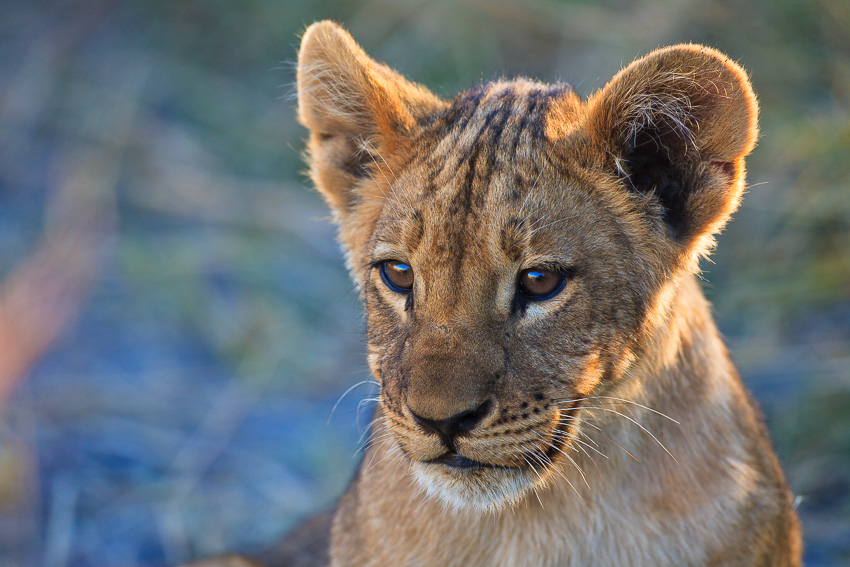
This is the original pic.
Your mileage may vary, but I never break this rule.
5 Don’t let people look into the sun
Indeed. They will squint and there will be very ungainly shadows below the eyebrows, the nose and the chin.
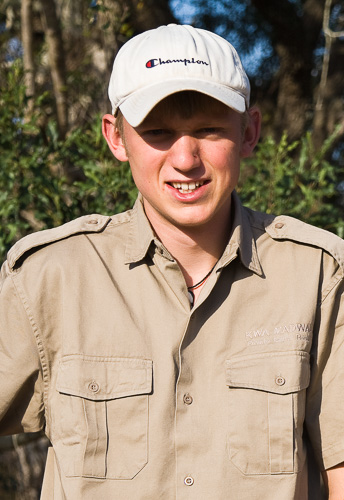
Well, I guess there is no need to comment on this one. The photographer (me, myself and I) just did a sloppy job.

Better put your subject in a shady place. Or, if this is not possible, let the person look away from the sun and use fill flash to brighten the face.
Your mileage may vary, but I never break … oh, sometimes it’s just not possible to avoid it. But I still don’t have to like it.
6 White areas at the edges or in the corners of a picture should be avoided
This is the last of the three rules to which Feininger never found an exception. Just have a look at the images.

The image seems to be damaged at the top edge. It looks as if a mouse has nibbled at the edges of the picture, right?
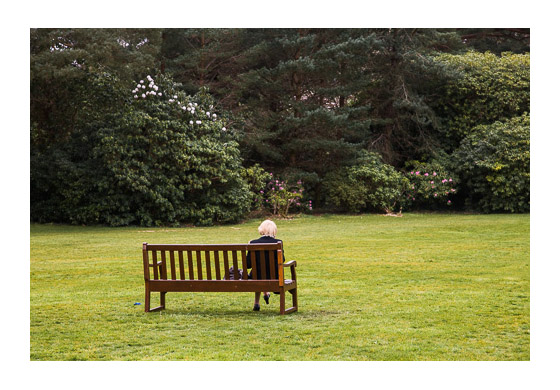
This one is undamaged. It looks like a complete picture.
Your mileage may vary, but I never break … oh, sometimes it’s just not possible to avoid it. But I still don’t have to like it.
7 Avoid cross shadows
This rule applies only for studio shots using artificial light. Here is a nice example of cross shadows:

There is only one sun that illuminates the Earth. Therefore we never experience cross shadows in nature. If we see those cross shadows in an image we instinctively feel that something is wrong. So you should avoid them in your studio shots. Cross shadows are considered to be a sign of poor craftsmanship.
Your mileage may vary, but I never break this rule (except for illustration purposes, of course).
This conludes the mini series on composition rules.
Oh, by the way, if you are an aspiring artist then by all means never ever follow any rules. Not even those above. Artist don’t take pleasing images, they want to provoke.

Leave A Comment