
When it comes to accessories for photography, I tend to be a minimalist. In my photo backpack is therefore not every knickknack that you can buy to enhance the hobby. Because it is often asked, here is a small overview of the important accessories from my point of view.
Tripod
The trend is toward ever smaller and lighter cameras. Hardly anyone puts these small, lightweight things on a tripod. What’s more, the cameras or lenses naturally have a stabilizer. So why do you need a tripod? But anyone who thinks that a tripod is only necessary because the camera is too heavy or because there is a risk of camera shake has not really grasped the purpose of this tool. Of course, the tripod also prevents camera shake and of course it also supports the weight of the camera and lens. But the real purpose of the tripod is different: it helps with image composition, especially in landscape and architectural photography. Only with a tripod (and the right tripod head!) can you achieve precise framing. It also slows down photography, and you can better focus on the subject and how you want to portray it. In other words, using a tripod results in better photos.
Cable or wireless shutter release
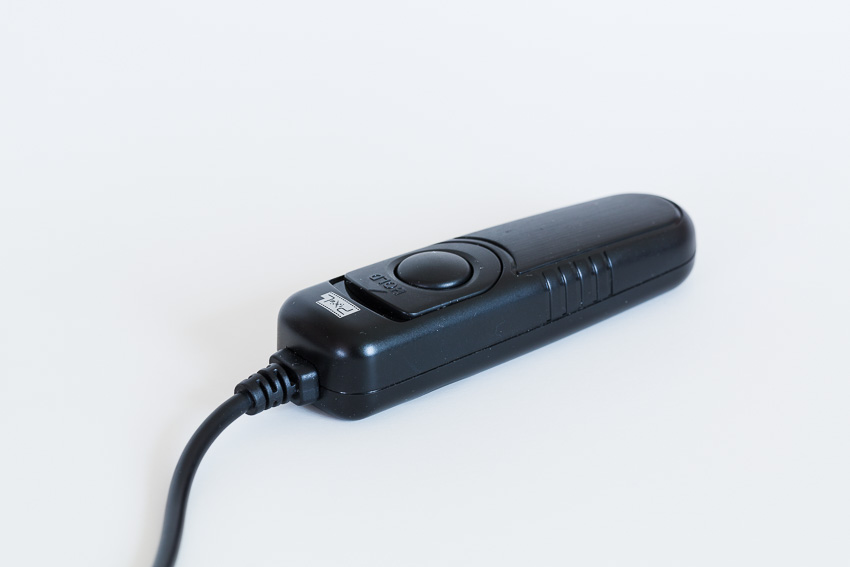
If you use a tripod, you should also use a cable or wireless shutter release. Otherwise there is a risk of camera shake despite the tripod. As an alternative, you can of course also use the self-timer. However, with a self-timer you can not control when the camera fires.
Whether you prefer a cable shutter release or a wireless shutter release depends a bit on the area of use. I usually prefer a cable shutter release because it doesn’t need a battery that runs out at the crucial moment.
Lens hood
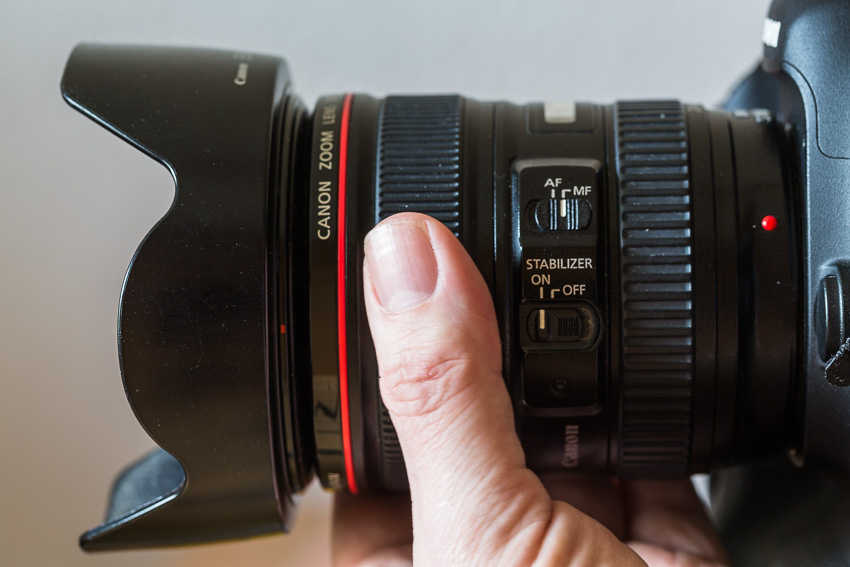
I (almost) always have the lens hood on the lens because it (almost) never hurts and reduces the risk of unwanted reflections. It also protects the front lens from damage. Here are the rare cases when the lens hood can be annoying:
- With some lenses, the lens hood makes it difficult to use a polarizing filter.
- When using the internal flash, the lens hood may cast a shadow on the subject.
Of course, you should have a lens hood matched to the focal length for each lens.
Spare battery
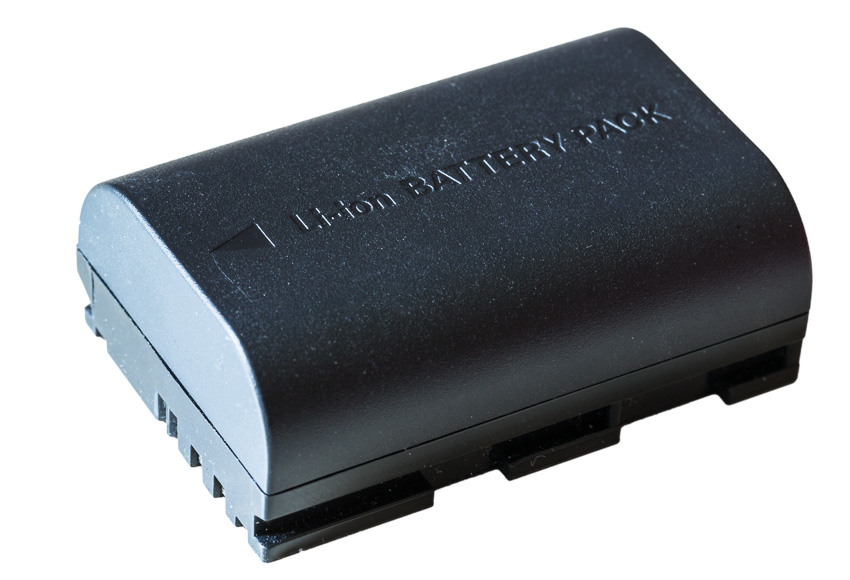
Do you think this is a matter of course? You might think so, but the participants in our photo courses rarely have a second battery with them. So it often happens that on the day of the photo excursion, the fun ends prematurely for one or the other because the battery is empty. So remember to pack a spare battery.
Filter
Apart from effect filters such as star filters or similar, most filters have become superfluous in digital photography. Only three classic filters still are worth having.
Polarizing filter

The effect of a polarizing filter cannot yet be fully simulated digitally. This applies in particular to the reduction of reflections, but also to the darkening of the blue sky and the associated appearance of clouds. The polarizing filter is therefore still part of the standard equipment, especially for landscape photographers.
Neutral Density filter

Neutral density (ND) filters are needed whenever you want to work with long exposure times in good lighting conditions. They are available in different densities. The most common are the ND factors 64 (corresponding to 6 f-stops) and 1000 (corresponding to 10 f-stops).
Graduated ND filter
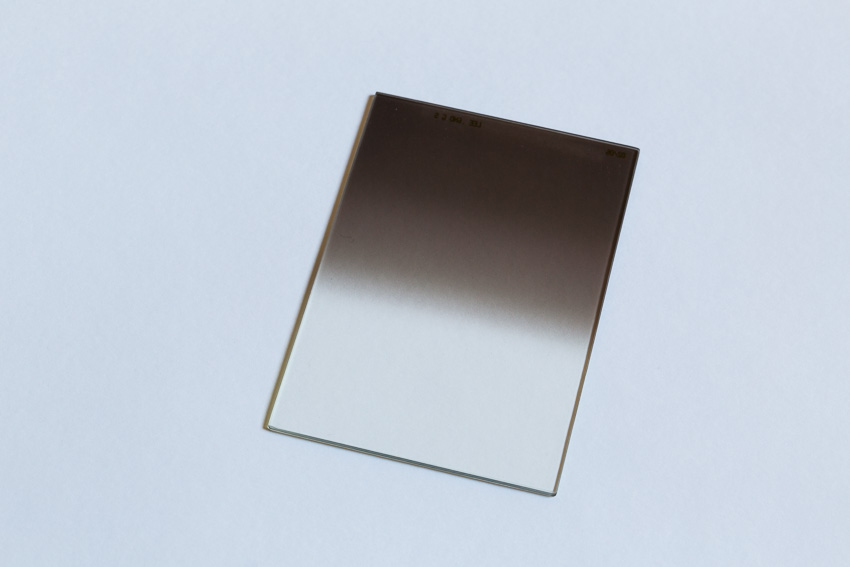
Graduated ND filters have lost their significance since it has become possible to take HDR shots without much technical effort. However, many landscape photographers still like to use them to darken the sky. Experience has shown that the density 0.3 ( darkening by one f-stop) is too low for practical use. The densities 0.6 (2 f-stops) and 0.9 (3 f-stops), on the other hand, are sufficient in most cases.
UV-Filter
No picture …
Completely useless. Since digital sensors are largely insensitive to UV light, it has no effect on the image.
However, some photographers use it to protect the front lens. But this is a religious topic and I do not comment on religion …
Flash

Even if the camera has a built-in flash, a flash is a must in the camera bag. However, it should be a model with a swiveling reflector, because this is the only way to flash indirectly against the ceiling or a wall and achieve soft illumination without harsh shadows.
For once, “the more powerful the better” applies to the flash. Especially for fill-in flash, you can never have too much power. Therefore, high guide numbers from about 45 and more are advisable.
Bellows and microfiber cloth
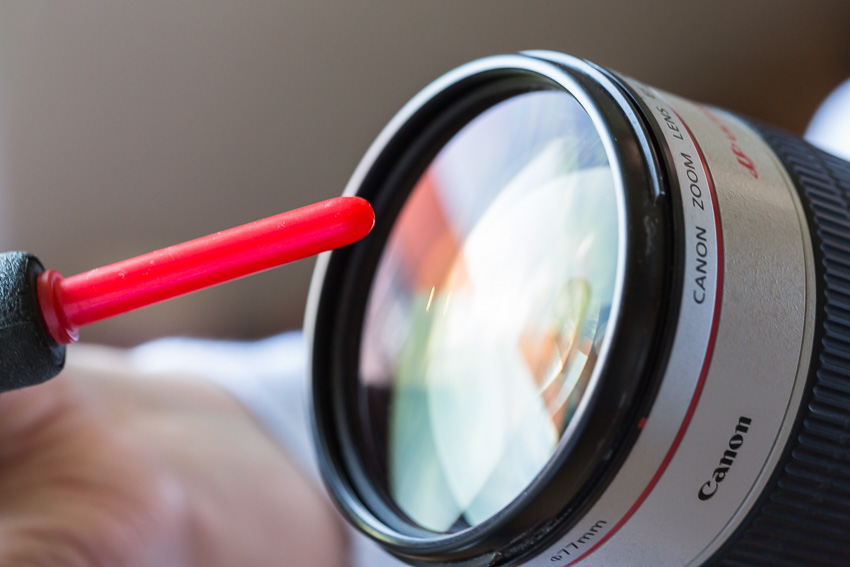
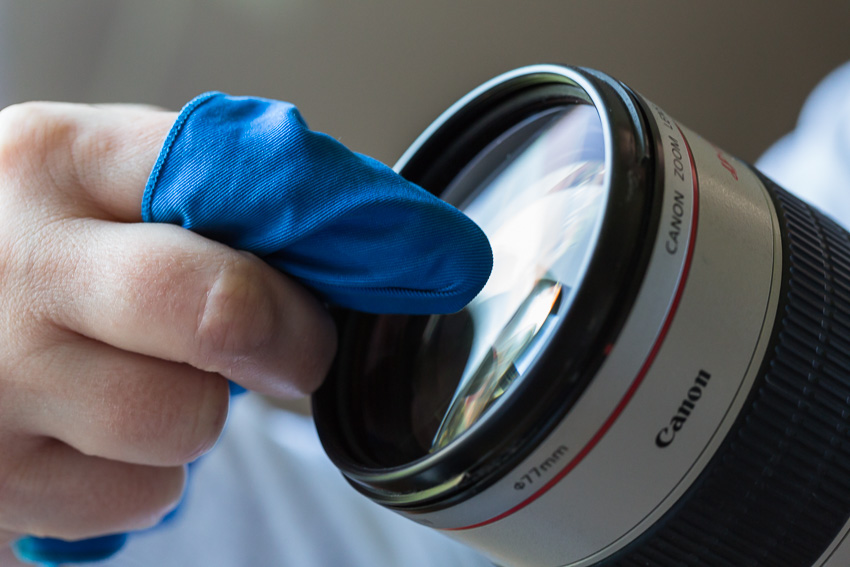
For cleaning lenses and camera. It’s obvious, isn’t it?
Memory Cards
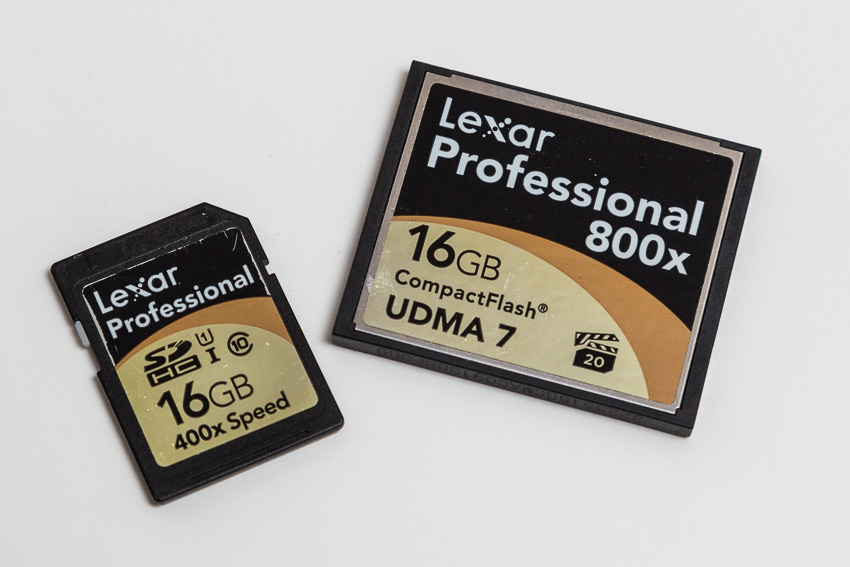
Okay, obvious as well.
That’s about it in my opinion. That’s all the standard photographer needs. Of course, there are special areas of photography, for which you certainly need various special accessories. But that would be a whole separate topic.
As always, please feel free to leave a comment.

Leave A Comment